
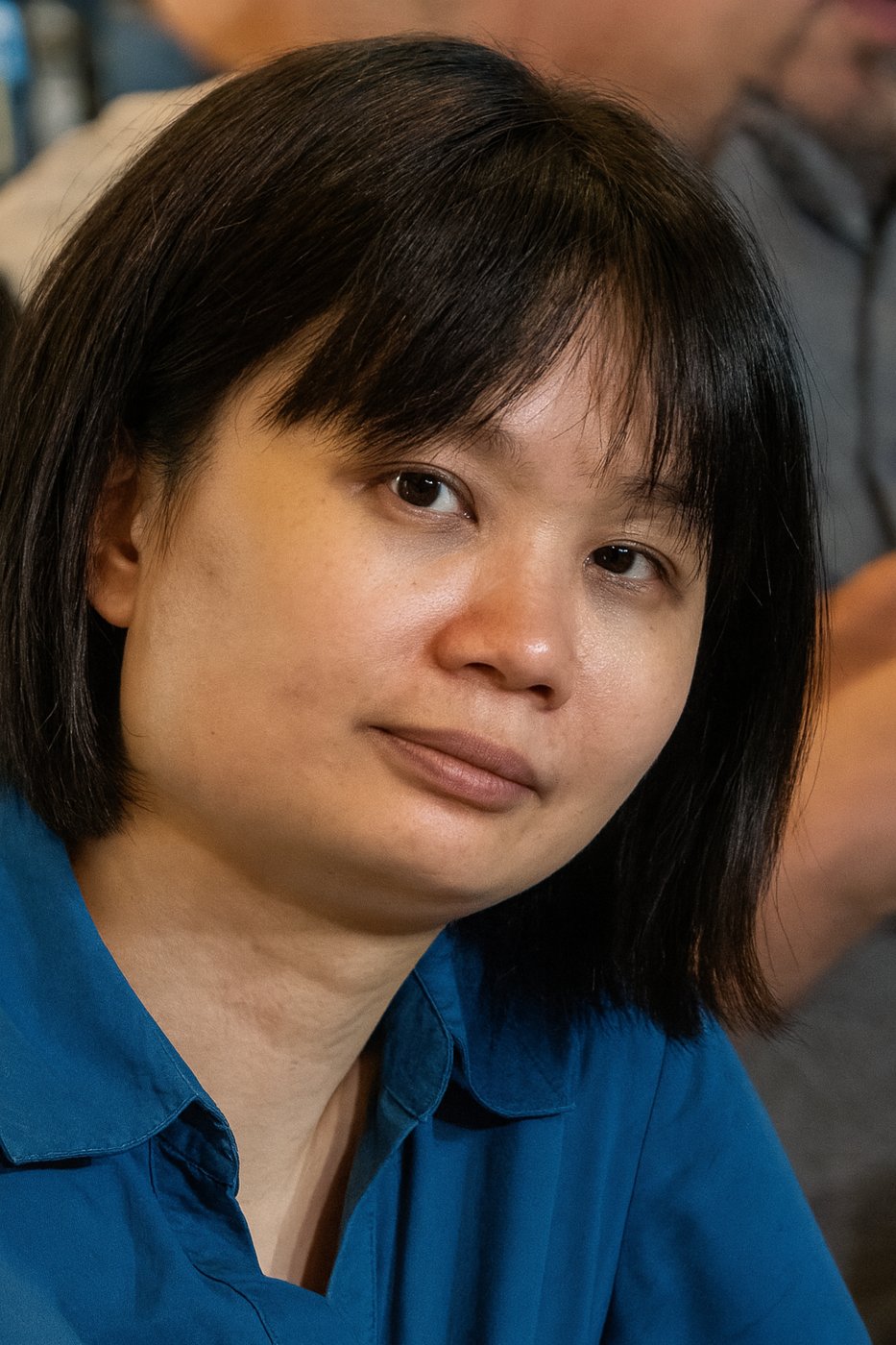
Chen Yahua
Research Fellow
Researchers and students advancing the laboratory’s science.

Principal Investigator · Department of Biochemistry and Infectious Diseases Translational Programme, Yong Loo Lin School of Medicine, National University of Singapore
Yunn-Hwen Gan graduated from Purdue University with a B.Sc. (Honours) in Molecular Biology and University of Wisconsin-Madison with a PhD in medical microbiology and immunology. She is a world leading researcher in melioidosis, a disease primarily in the tropics caused by the bacterium Burkholderia pseudomallei. She established the first mucosal animal model in 2002 and had helped define the field by examining pathogen’s virulence as well as the host immune response to the disease. Her lab discovered a regulatory cascade that coordinately controlled two bacterial secretion systems which are absolutely critical for bacterial virulence. Other seminal findings include the discovery that glutathione deficiency is the reason for increased disease risk to melioidosis for Type 2 diabetic patients.
She has since switched her research focus to Klebsiella induced liver abscess, a prominent disease in Asia, particularly in regions of China, Taiwan, Hong Kong, Singapore and South Korea. Her work involves identifying bacterial virulence factors of hypervirulent Klebsiella pneumoniae responsible for causing liver abscess. Her team examines host and bacterial factors that affect gut colonization and translocation. Her recent works have identified the alarming trend of the convergence of multidrug resistance and hypervirulence in K. pneumoniae in Singapore’s hospital settings. Her ongoing research investigates how antibiotic resistance genes on highly evolved and adapted plasmids dominant in clinical bacterial isolates are spreading among bacterial populations, and strategies to stop the spread. She has also established multidisciplinary collaborations with chemists, clinicians and computational biologists to examine novel strategies to treat antibiotic resistant Enterobacteriaceae bacteria. One of such strategies is to establish a synthetic commensal community of bacteria to be used as probiotics for decolonization from the gut. Another strategy is to partner with AI scientists to employ synergy testing of FDA-approved compounds, including those with no known antibacterial activity on their own, on multidrug resistant bacteria.
Research Fellow
Postdoctoral Fellow

Postdoctoral Fellow

Postdoctoral Fellow

Research Assistant

PhD student
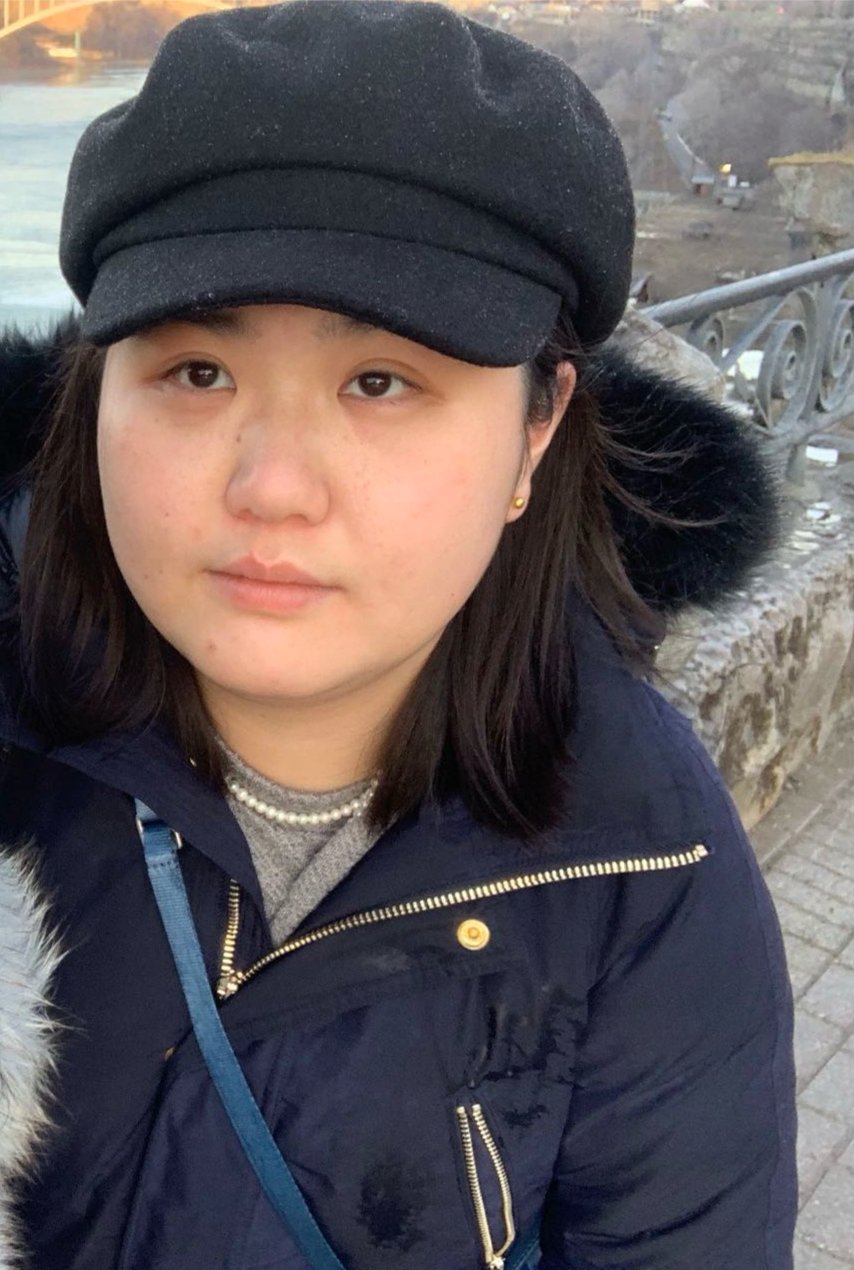
PhD student

PhD student

Research Assistant